
Things at Sierra Monitor Corporation may look a bit different. But rest assured, our innovative spirit, the quality products that you depend on and that same level of exceptional service you have come to expect, remains unchanged.

FieldServer Automation Gateways
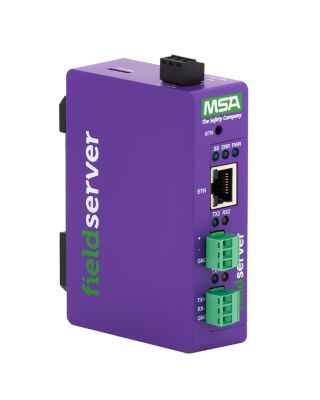
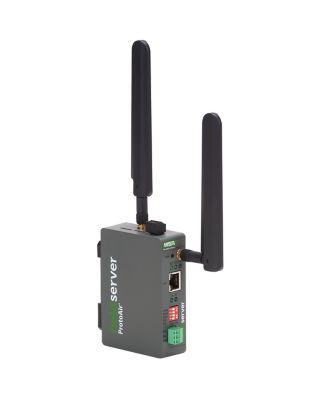
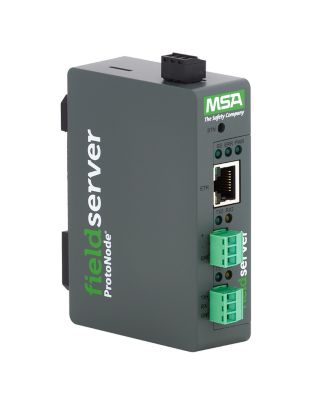
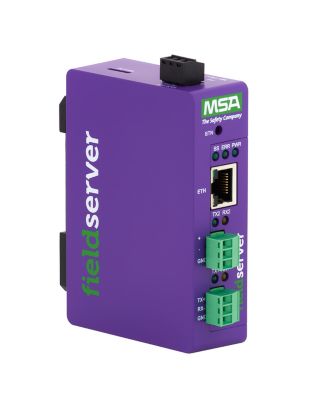
The FieldServer suite of automation gateway products is quietly at work on site or in the cloud at over 100,000 locations around the world. The comfort and safety of millions of people depends daily on FieldServer devices as they enter corporate, educational, medical, entertainment, industrial and other facilities in major cities and at some of the most remote locations on earth.

SMC Gas Detection
SMC detection solutions address the facilities safety segment. Our SMC branded controllers, sensor modules, and software are used by safety managers to protect facility personnel and assets across thousands of facilities such as natural gas vehicle fueling and maintenance stations, wastewater treatment plants, parking garages, and underground telephone vaults.
Featured Products
FieldServer
+1 408 262-6611 7:00 AM to 5:00 PM (Pacific / UCT-8:00) +31 33 808 0590 (FST) smc-support.emea@msasafety.com 8:00 AM to 5:00 PM (UTC+2:00)Customer Support Tools
Software Downloads
Access software downloads here Protocols
Access Protocols Here Resources
Application Notes
ENOTEs
Certifications
Documentation
Case Studies
Contact Us
NORTH AMERICA
Phone
For Product Support
Sales
Orders
Hours
Monday to FridayEMEA and APAC
Phone
+971-50-550-3933 (Gas)For Product Support
Sales
Orders
Hours
Monday to Friday